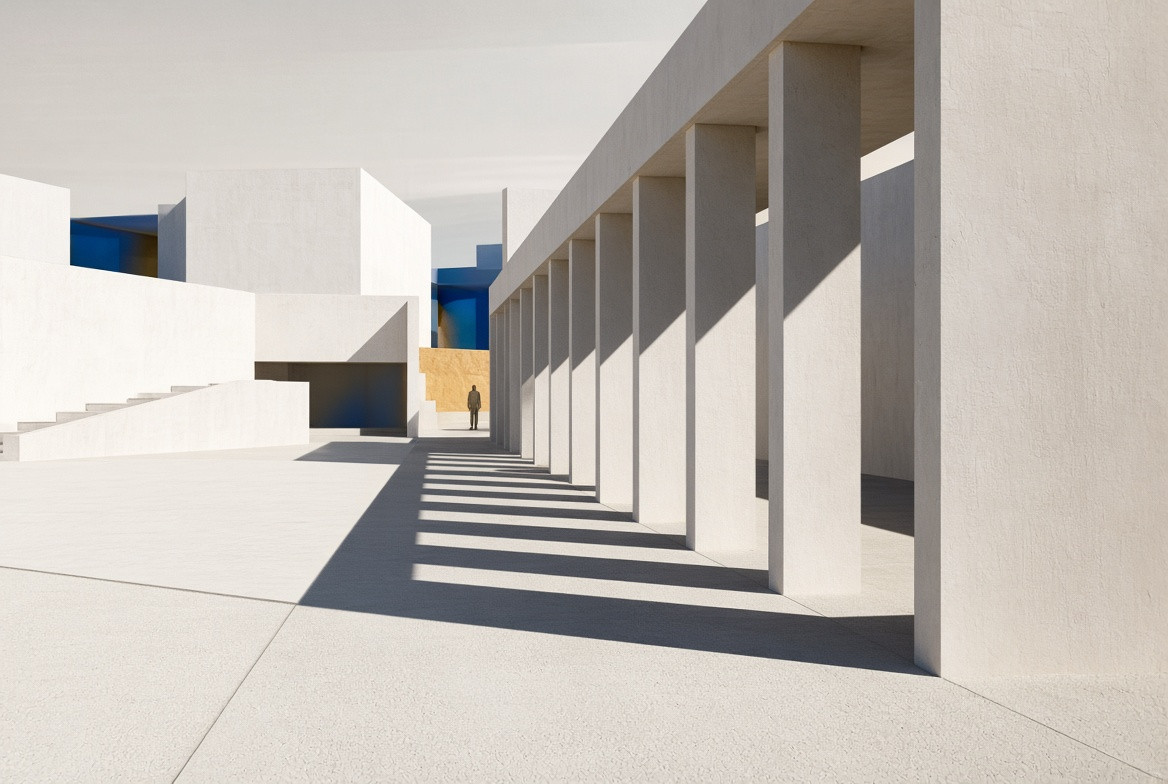
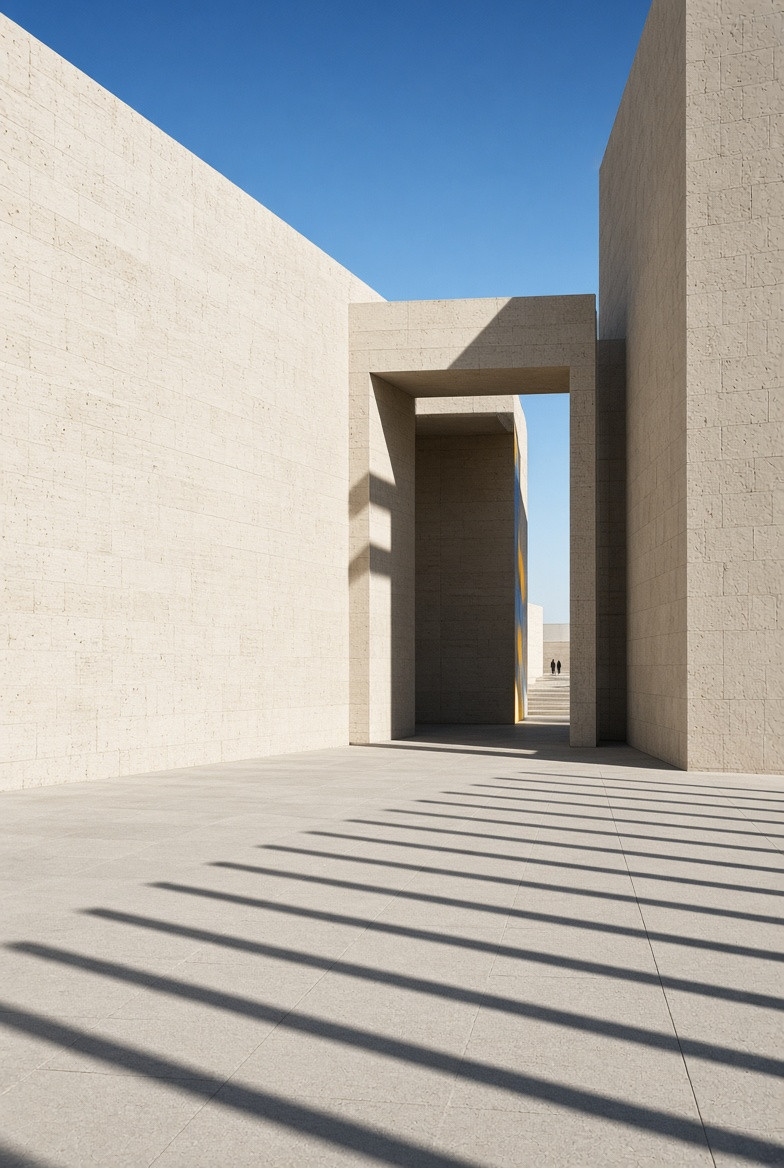
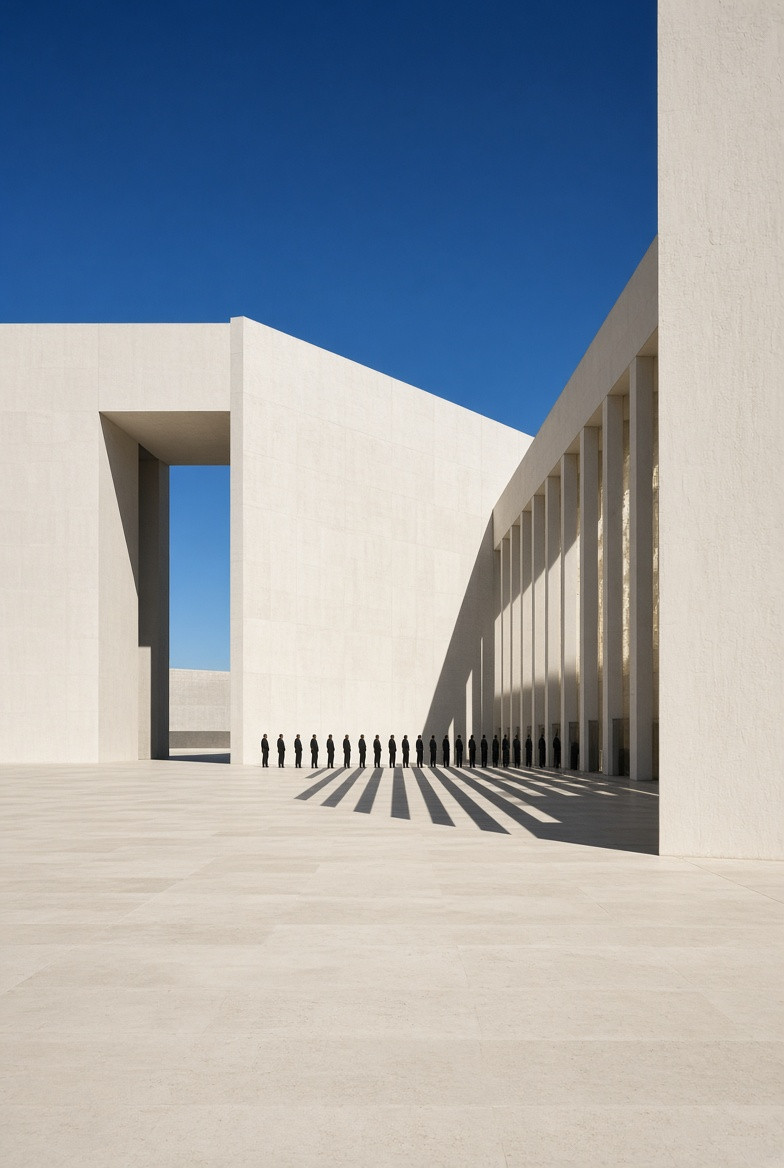
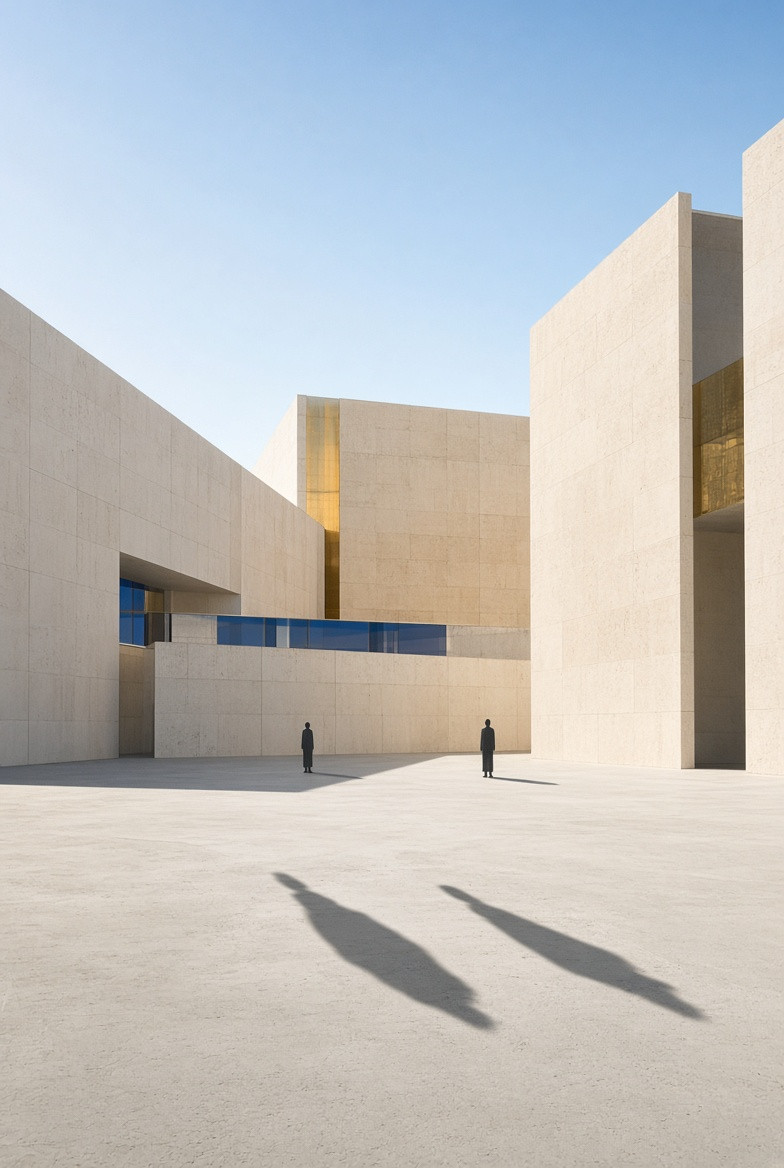
An app-authored shadow promenade
Let the scene widen.
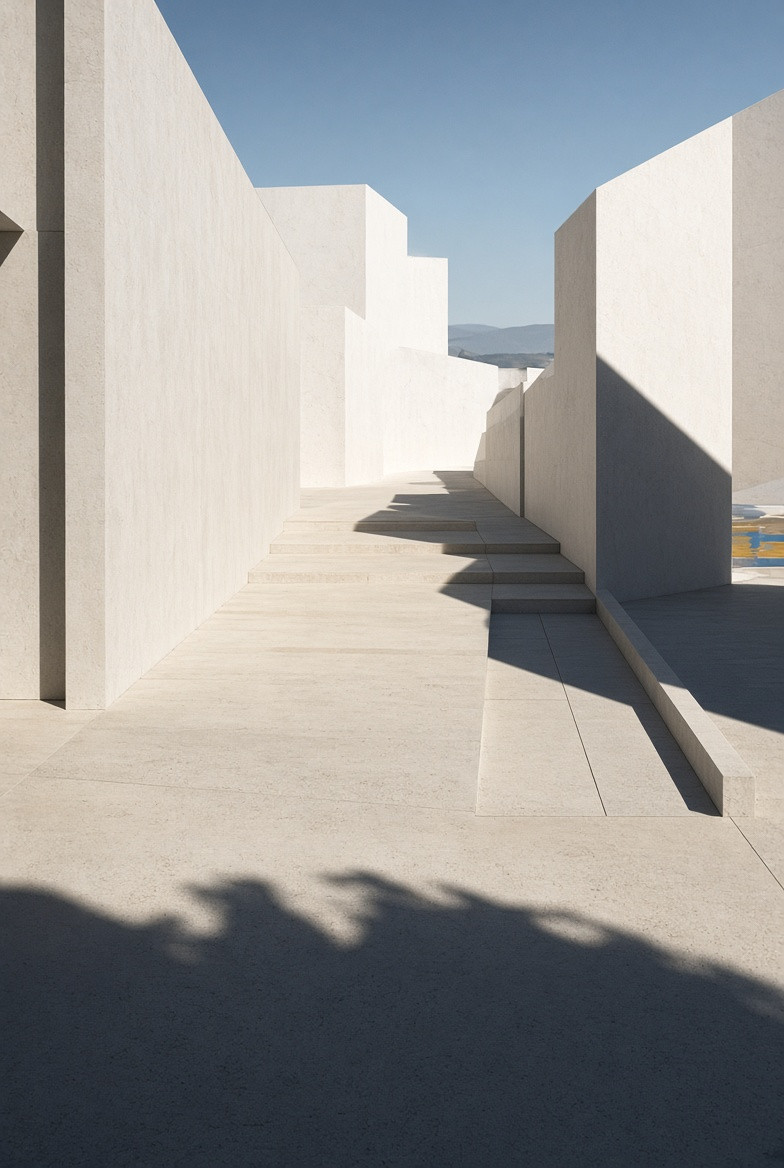
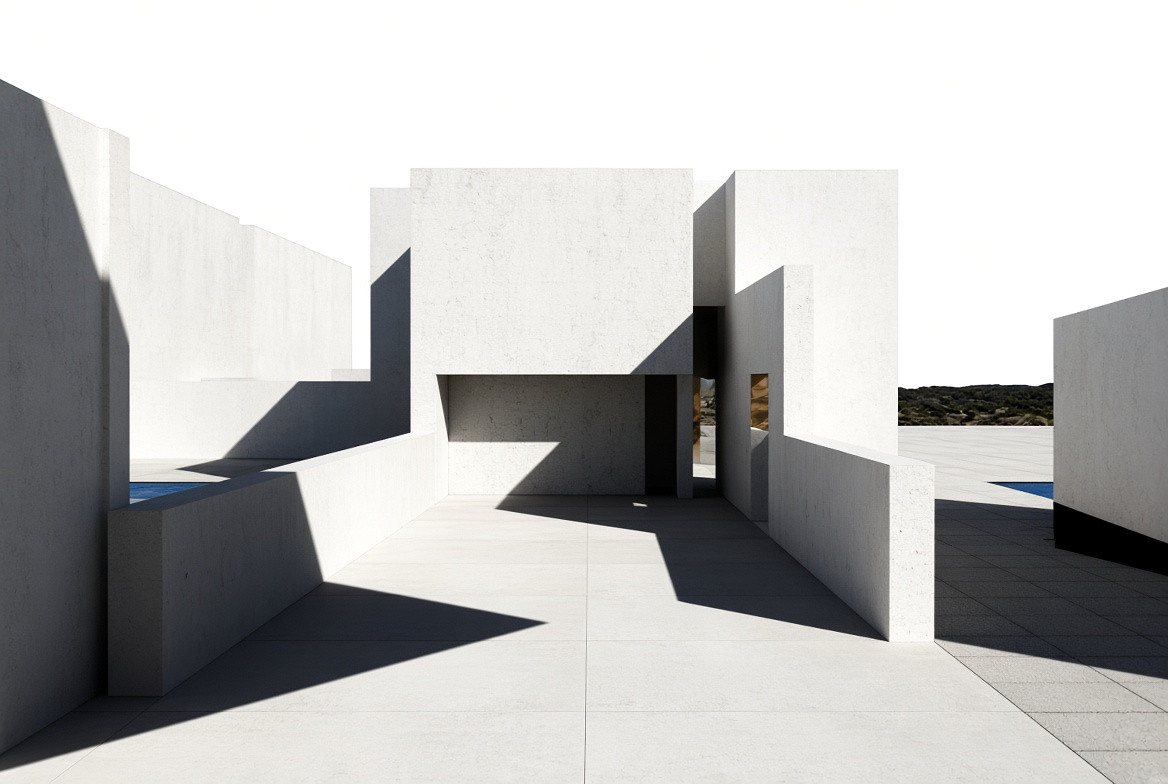
Move a sunline through fictional shared spaces. Shift the margin before naming what you see. Leave room for what the first view cannot tell you.
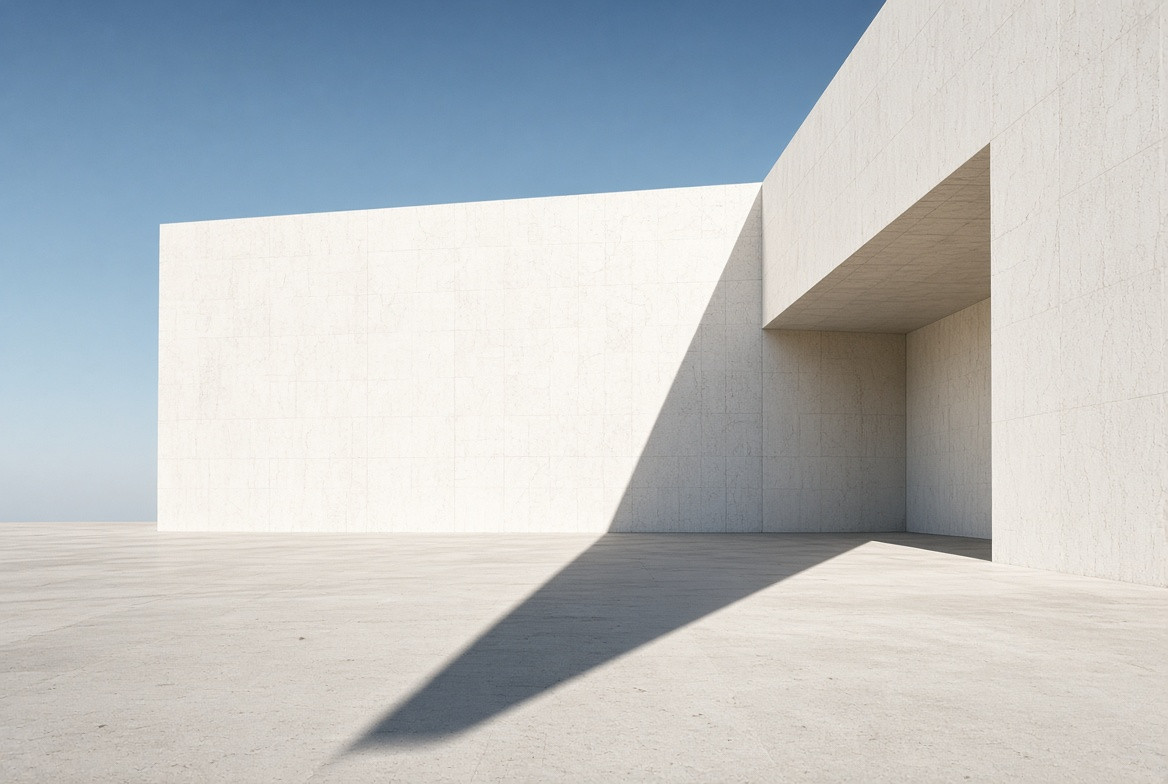
One view is a beginning, not a verdict.
Wide Margin is built around an ordinary spatial truth: move a little, and the relationship between light, route, threshold, and distance changes.
Ten visual walks help adults and older teens practice a calm sequence—describe the visible condition, preserve uncertainty, and choose the closest useful real-world resource. The app never asks for a report, a person description, a location, a photo, or an allegation.
01 · ARRIVE
Find the return point.
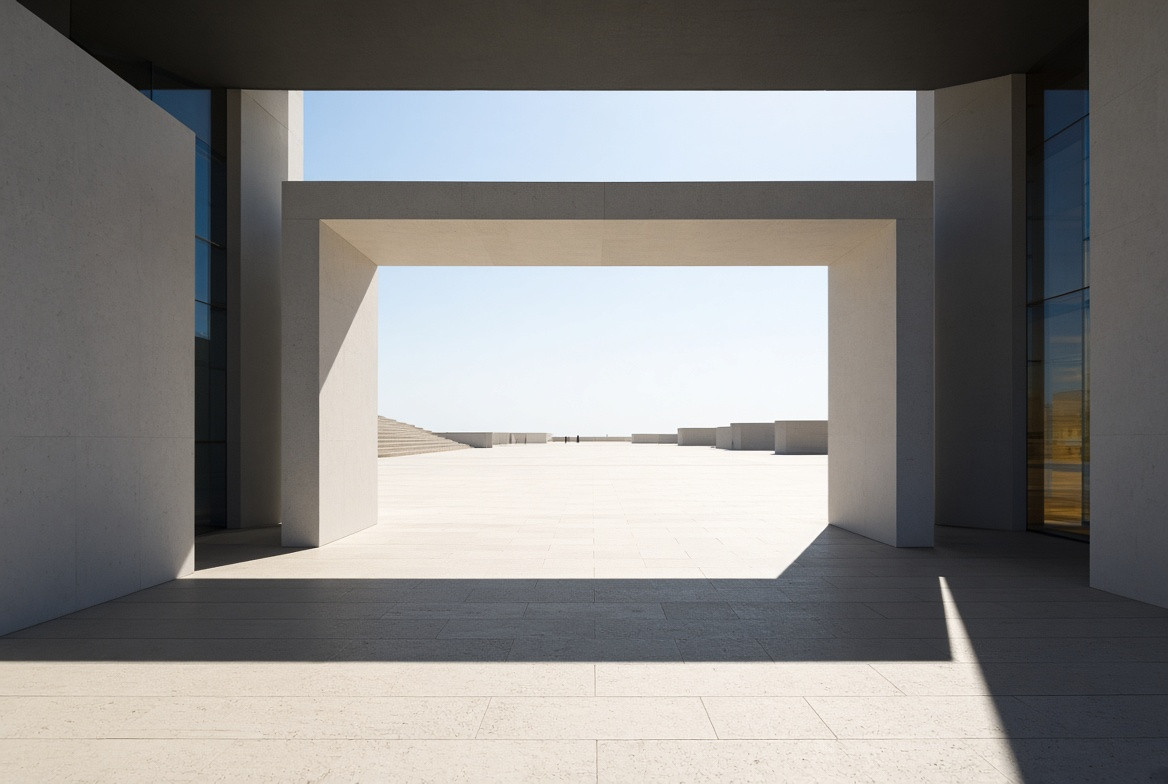
A first glance can miss the second passage, the space beside a queue, or the place where two paths reconnect. The opening walks make those relationships visible without turning ambiguity into suspicion.

02 · CROSS
Read the shared threshold.
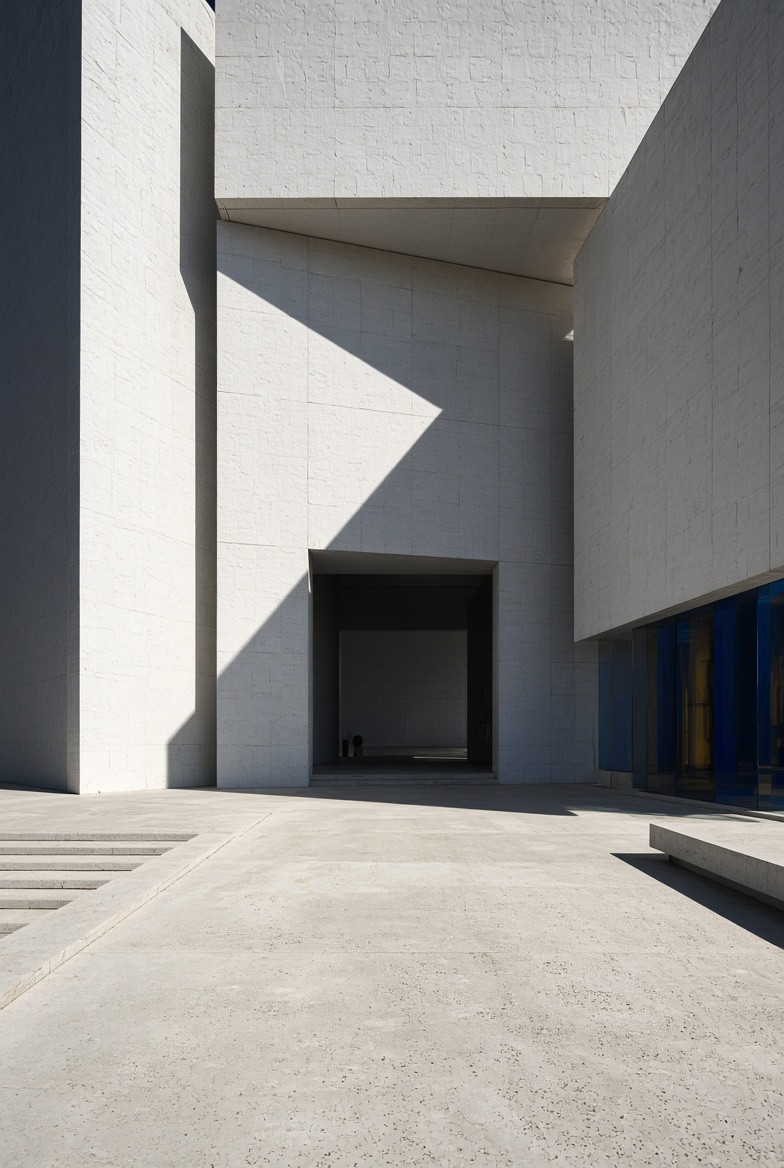
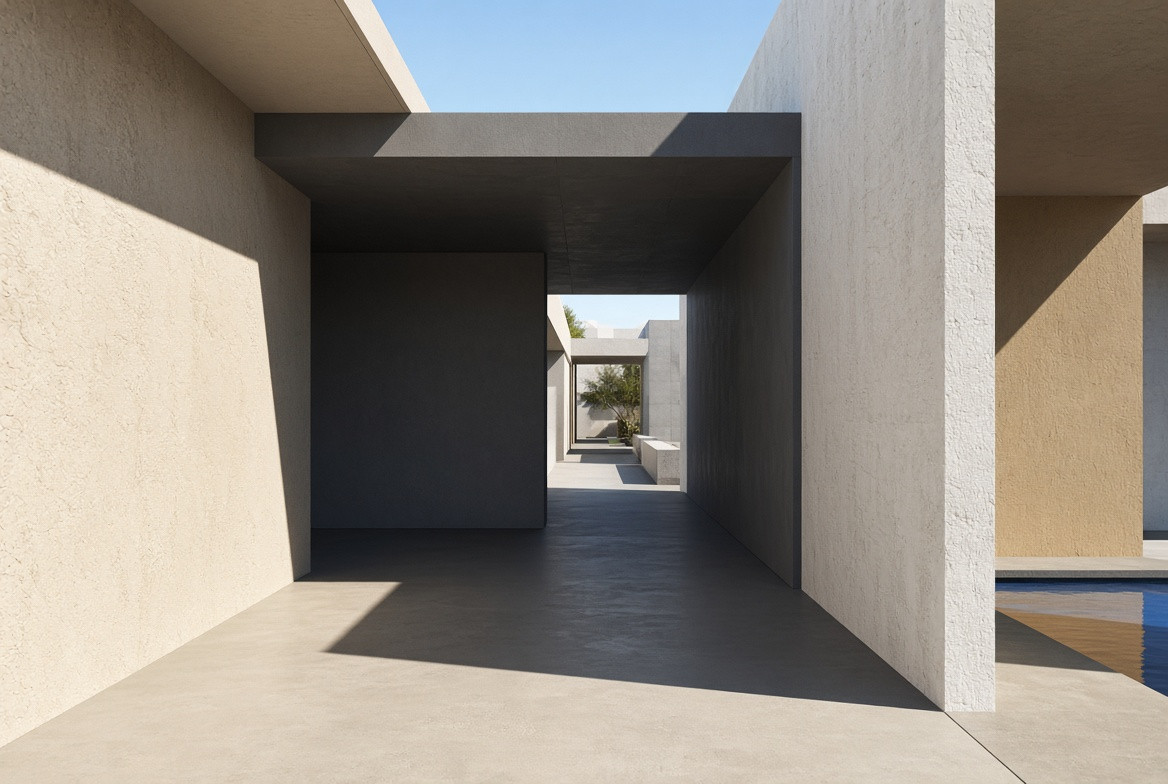
Entrances, ramps, stairs, pauses, and closed doors create conditions—not explanations. The sunline moves through each condition while native text keeps the description precise.
03 · ROUTE
Follow more than the shortest line.
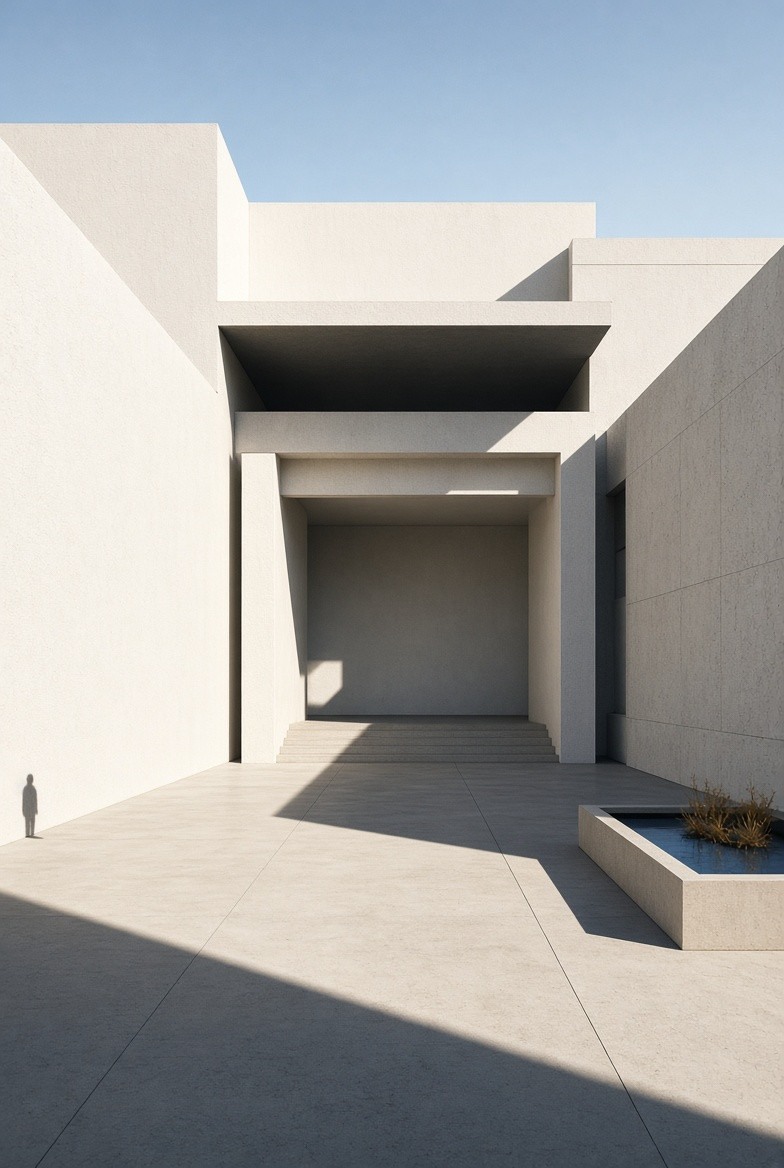
Direct paths, alternate approaches, visible endpoints, and detours belong in one frame. A lateral margin gesture makes room for route context without asking the user to type anything.


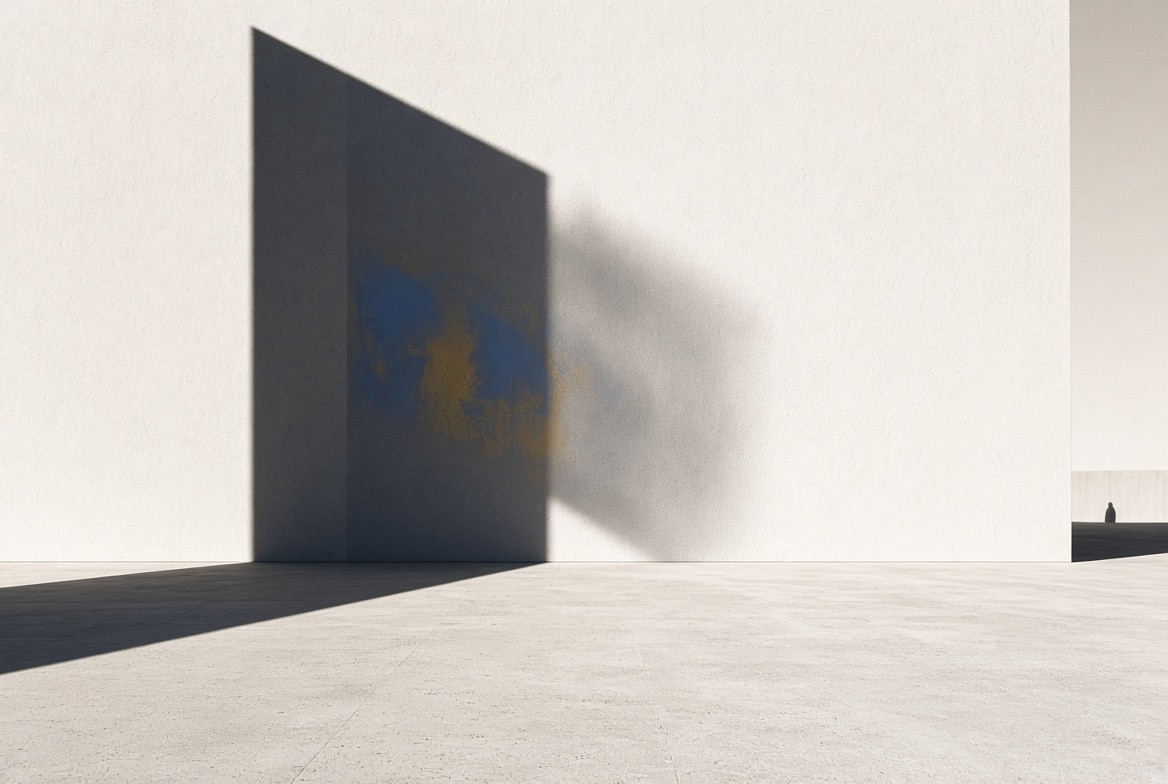
A respectful handoff
Known.
Unknown.
Needed.
- Name the route, threshold, light, or meeting condition you can actually see.
- Say plainly what this view cannot establish.
- Ask the nearest relevant resource for one clear piece of information.
The result is a temporary rehearsal sentence. It is not a report, judgment, score, or saved record.


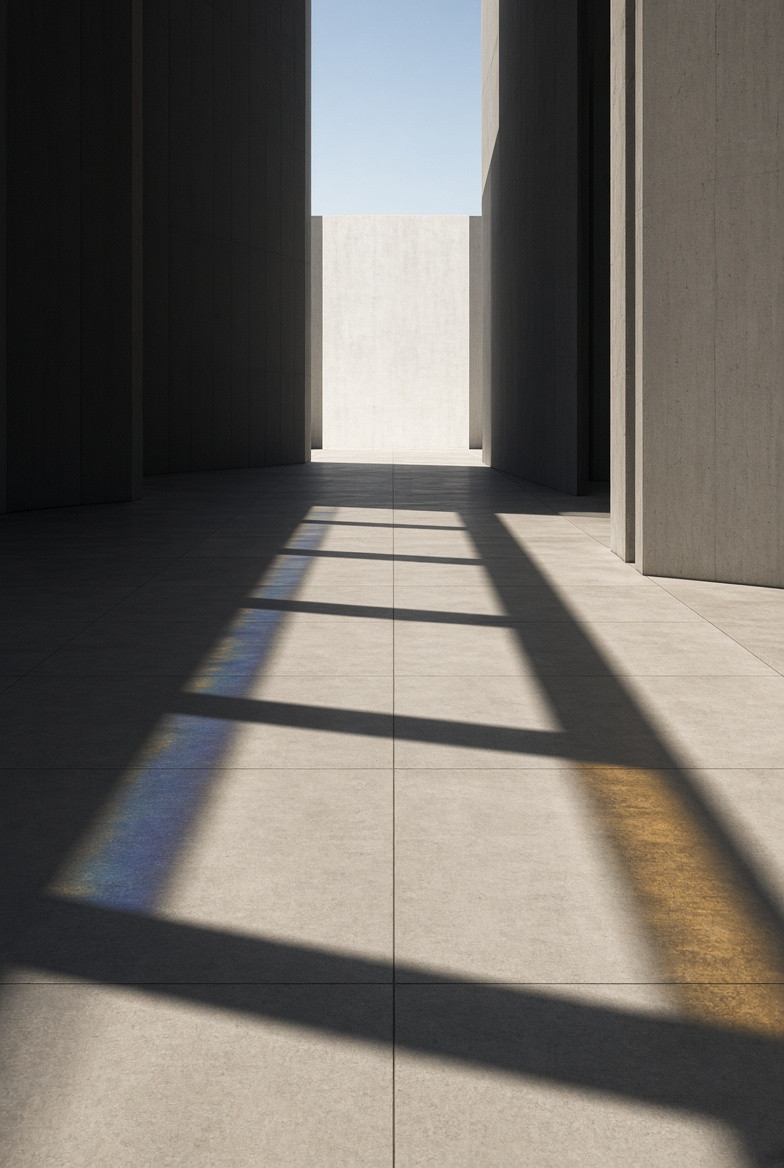
“The east passage is closed. I cannot see why. I need venue staff to explain the open route.”
When the next step is clear enough, the crossing shadows separate. Reset or leave and the walk disappears.